

Author:youeryou Time:2026-06-15 15:46:14 Number of views:173Second-rate
Many growers often confuse solar greenhouses, cold frames and arch greenhouses, as these three types of agricultural greenhouses are widely used for vegetables, fruits and flowers. They differ greatly in structure, thermal insulation, applicable seasons, construction cost and suitable growing regions. Understanding their features helps you pick the right greenhouse according to your crops, local climate and budget.
A solar greenhouse, also known as sunlight greenhouse, is a uniquely designed greenhouse mainly popular in northern regions. Its most typical feature is the solid rear wall and side walls made of bricks, earth or thermal insulation materials, plus a sloped front roof covered with plastic film and movable thermal insulation quilts. Relying fully on solar energy for heat collection and preservation, it needs no extra heating equipment in most cases. Thanks to the thick wall and heat preservation quilts, it boasts outstanding thermal insulation and frost resistance. Even in cold winter with temperatures far below zero, it can maintain a proper internal temperature to support crop growth. Therefore, solar greenhouses are mainly used for off-season cultivation and winter planting. They can realize year-round production of vegetables, strawberries and seedlings. On the downside, its construction process is relatively complex and the initial investment is higher. It also has strict requirements on orientation and land selection, and is mostly built in fixed locations for long-term use.
A cold frame is a simple low-cost greenhouse without professional thermal insulation structures and heating facilities. It generally has no thick enclosure walls or heat preservation quilts. Covered only with plastic film or insect-proof net, it can just block wind, rain and slight frost. It cannot resist severe cold or extreme low temperature. Cold frames are mostly applied in spring, autumn and warm winter seasons. They are widely used for seedling hardening, seasonal vegetable planting and temporary crop protection. The greatest advantages are low cost, easy installation and flexible movement. Small-scale farmers and scattered growers prefer this type. However, its ability to adjust the internal microclimate is weak. In cold nights or cold spells, crops inside are vulnerable to frost damage.
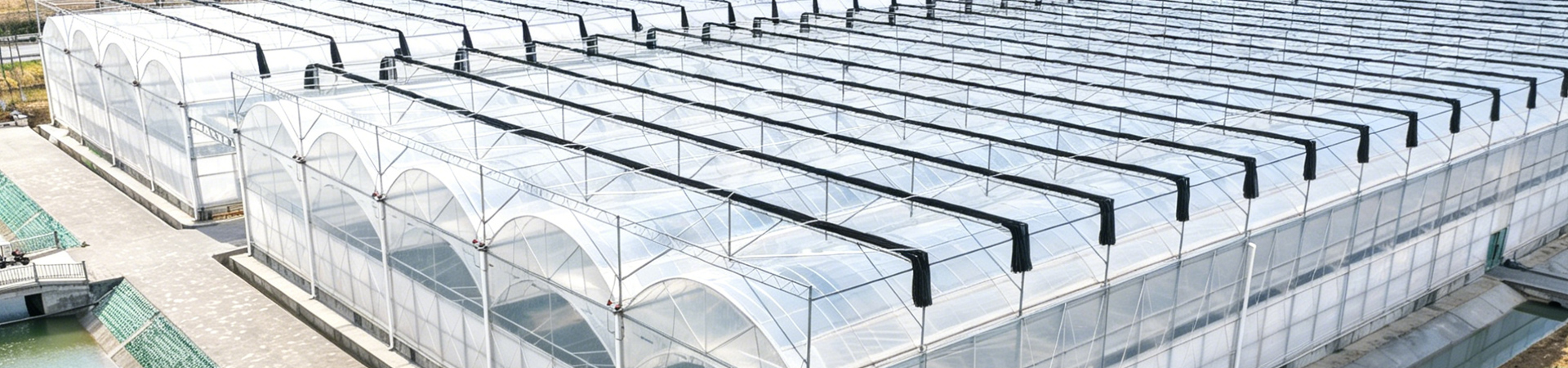
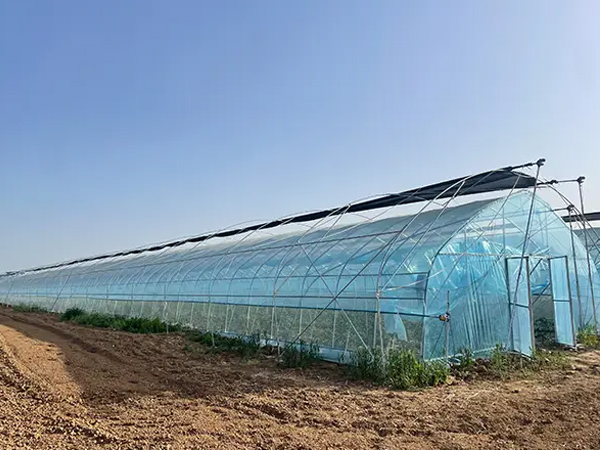
An arch greenhouse, also called tunnel greenhouse, gets its name from its continuous arched frame structure. It has no rear wall like a solar greenhouse, and the whole body is supported by steel or galvanized pipe frames covered with plastic film. Compared with cold frames, arch greenhouses have larger space, better wind resistance and overall sealing performance. Some large arch greenhouses can be equipped with ventilation fans, sunshade nets and drip irrigation systems to enhance environmental control. Its thermal insulation is better than ordinary cold frames but much worse than solar greenhouses. It is suitable for spring, summer and autumn planting, and can also be used for simple overwintering in mild climate areas. In terms of cost, arch greenhouses are priced between solar greenhouses and cold frames. The structure is simple to build, easy to expand, and suitable for large-scale centralized planting of common vegetables and flowers.
In conclusion, choose solar greenhouses if you need winter anti-freezing and off-season production in cold areas. Pick cold frames for temporary planting and seedling raising with a tight budget. Arch greenhouses are the balanced choice for seasonal large-scale cultivation in most regions.

Copyright © 2026-2027 Cangzhou Youeryou New Materials Technology Co., Ltd. All Rights Reserved