

Author:youeryou Time:2026-06-15 15:40:17 Number of views:76Second-rate
When it comes to commercial flower planting, choosing between glass greenhouses and plastic film greenhouses is a key decision that directly affects growth efficiency, product quality and long-term operating costs. Each type has distinct advantages and limitations, and the final choice depends on planting varieties, regional climate, operation scale and budget.
Glass greenhouses are widely recognized for superior light transmission. High-quality glass allows uniform natural light to penetrate the interior all day long, which perfectly meets the lighting demands of most ornamental flowers. Sufficient and soft light helps flowers develop bright colors, full blooms and sturdy stems, greatly improving the ornamental value of finished products. In terms of durability, glass is resistant to aging, wind, rain and ultraviolet rays. Its service life can reach 20 to 30 years with simple daily maintenance, far longer than film materials. Additionally, glass greenhouses have excellent airtightness and thermal insulation performance. They can stably control internal temperature and humidity, creating a stable growing environment all year round. This makes them ideal for high-end flowers, rare varieties and flowers that require strict environmental control. Meanwhile, the neat and elegant appearance of glass greenhouses is also suitable for flower sightseeing gardens and exhibition bases. However, glass greenhouses have obvious drawbacks. The initial construction cost is much higher, and the overall weight requires reinforced foundations and frames, which further increases investment. In cold areas, they consume more energy for heating, and broken glass also brings potential safety risks during daily operation.
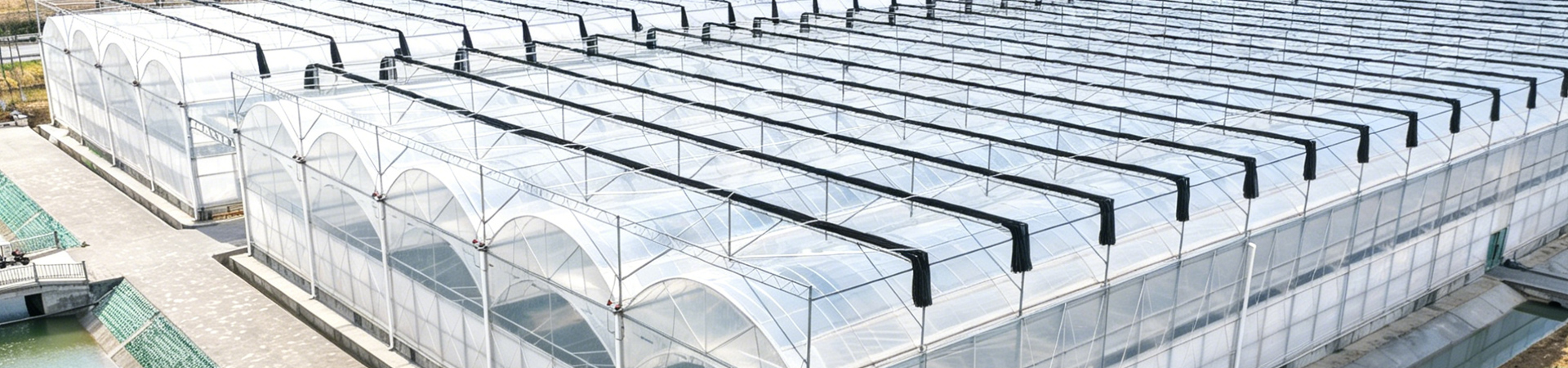
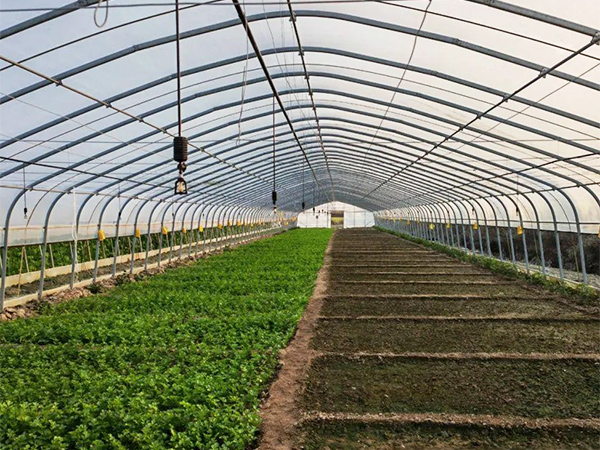
Plastic film greenhouses are the mainstream choice for most ordinary flower growers due to their cost advantages. Their construction cost is low, the installation process is simple, and they can be quickly put into use after building. The lightweight structure lowers the requirements for land and foundation, which is friendly for small and medium-sized farms and newly started growers. Modern anti-aging plastic film also features good light transmittance, basically satisfying the growth needs of common flowers such as roses, carnations and chrysanthemums. Moreover, film greenhouses are flexible to adjust. Growers can replace the film regularly according to actual needs, and they work well with ventilation, shading and cooling systems to adapt to seasonal climate changes. The main shortcoming is the short service life. Ordinary film needs to be replaced every 2 to 3 years, resulting in recurring material and labor costs. Besides, film is easily damaged by strong wind, hail and extreme high temperature, and its heat preservation effect in cold winter is weaker than glass.
To sum up, if you focus on high-end flower cultivation, long-term operation and sightseeing projects, glass greenhouses are the better option. If you plant common flowers with a limited budget and pursue cost-effectiveness, plastic film greenhouses will be your practical choice.

Copyright © 2026-2027 Cangzhou Youeryou New Materials Technology Co., Ltd. All Rights Reserved