

Author:youeryou Time:2026-06-15 15:51:59 Number of views:0Second-rate
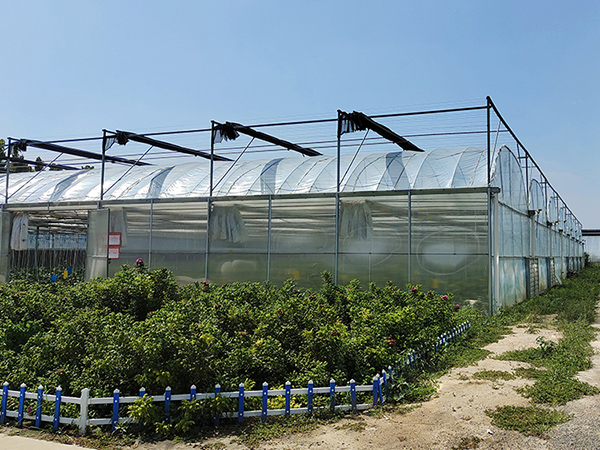
Maintaining proper temperature is critical for stable crop growth inside greenhouses, especially in cold seasons and high-latitude areas. Low temperature and sudden frost will slow down plant growth, cause flower and fruit drop, and even lead to crop failure. A combination of structural optimization, covering materials, auxiliary heating and daily management can significantly improve the thermal insulation capacity of greenhouses. Below are the most practical and widely adopted heat preservation measures for agricultural greenhouses.
First of all, optimize the greenhouse structure and enclosure parts to reduce heat loss. For solar greenhouses, thicken the rear wall and side walls with heat-retaining materials such as rammed earth, hollow bricks and composite thermal insulation boards. A solid wall can absorb solar heat during the day and release it slowly at night, forming a natural heat storage layer. Besides, seal all gaps around the greenhouse frame, doors, windows and film joints with foam strips or adhesive tape. Cold air will penetrate through tiny gaps and take away indoor heat, so tight sealing is the basic step to keep warm. Reasonable orientation and proper row spacing also help make full use of solar radiation and reduce cold wind impact.
Secondly, select high-performance covering materials and use thermal insulation quilts reasonably. Anti-aging, high-density plastic film with good light transmittance and low heat radiation is the preferred choice for the top cover. Avoid old and worn films, as they will cause serious heat dissipation. Thermal insulation quilts are the core night heat preservation facility for greenhouses. Choose waterproof, windproof and anti-freeze quilts made of high-quality materials. Roll down the quilts timely after sunset to cover the entire roof, and roll them up after sunrise to receive sunlight. In extremely cold weather, you can add a layer of thin felt or non-woven fabric inside for double insulation. For glass greenhouses, hollow glass or insulated glass is recommended to replace ordinary single glass.
Thirdly, adopt auxiliary heating and heat storage equipment according to actual demands. For areas with extremely low temperatures, supporting heating systems can be installed, including hot water heating stoves, hot air blowers and electric heating devices. These equipment can steadily raise the indoor temperature and prevent frost damage on cold nights. Meanwhile, place water storage tanks, stone piles or brick piles inside the greenhouse. These objects absorb heat during the day and release heat at night to balance the indoor temperature. Carbon dioxide generators can also be used properly, which not only promotes crop photosynthesis but also helps maintain a relatively stable indoor temperature.

Copyright © 2026-2027 Cangzhou Youeryou New Materials Technology Co., Ltd. All Rights Reserved